Category: hot

  • When We Seek Perfection in Imperfect Lives: Why Arsenal’s Strategy Hits Home (Part 1)

    When We Seek Perfection in Imperfect Lives: Why Arsenal’s Strategy Hits Home (Part 1)

    We all know life isn’t perfect, bills pile up, deadlines loom, relationships need work. And yet, on match day, when your team doesn’t start fast or falters for a few weeks, it’s easy to demand perfection. That’s exactly why we’re fans. We crave it. But life, and football rarely give it to us. Emotional reactions are understandable, but decision-makers have to build with reality, patience, and resources, not feelings.

    That’s the backdrop for Arsenal’s 2025/26 season. Their story isn’t built on emotional highs or reckless spending. It’s built on consistency, smart planning, and purposeful moves. And the results show it.

    From 8th to Three Successive Runner-Up Finishes

    In just four seasons under Mikel Arteta, Arsenal went from 8th-place finishes in 2020–21 and 2021–22 to three back-to-back second-place finishes from 2022–23 through 2024–25 (Transfermarkt, Wikipedia).


    A Point Collection That Sustains Ambition

    • 2022–23: 84 points (2nd) (Wikipedia)
    • 2023–24: 89 points (2nd) — Arsenal’s second-highest ever (Wikipedia)
    • 2024–25: 74 points (2nd), despite disruptions (Wikipedia)

    That adds up to 247 points in three seasons; just four points shy of Manchester City’s 251, and well ahead of Liverpool’s 233 (The Sun). The engine isn’t broken, it’s performing.


    Kicking Off 2025/26 with Purpose

    The new season has barely begun, and Arsenal made a statement with a win at Old Trafford. That result shortened their title odds from 5/4 to 2/1 (TalkSport). Pressure is higher than ever; legend Martin Keown’s expectation is simple: it’s time to deliver silverware. (TalkSport)


    Why This Phase Really Matters

    This isn’t emotional football. It’s strategic:

    • Consistency over flashes
    • Recruitment, not spectacle
    • Culture over individual brilliance

    We live imperfectly; but to build something lasting, especially in football, you must plan, be patient, and stay grounded.


    Coming Up in Part 2: Recruitment as the Foundation

    Next up, I’ll dive into why this summer’s transfer window wasn’t about headlines; it was about precise, purposeful reinforcements.
  • Football Is a Team Sport: Different Profiles Build Great Teams

    Football Is a Team Sport: Different Profiles Build Great Teams

    When we were younger, football felt so simple. On the playground, roles came naturally. The fastest kids went to the wing. The ones who could dribble got the ball more. The big and strong ones defended. The kid with the thunderous shot stayed up front.

    Everyone had a profile. Everyone had a role.

    So why, as fans, have we grown up and forgotten this? Why do we now criticize professional players for not being “complete” when even the best teams are built on different profiles working together?

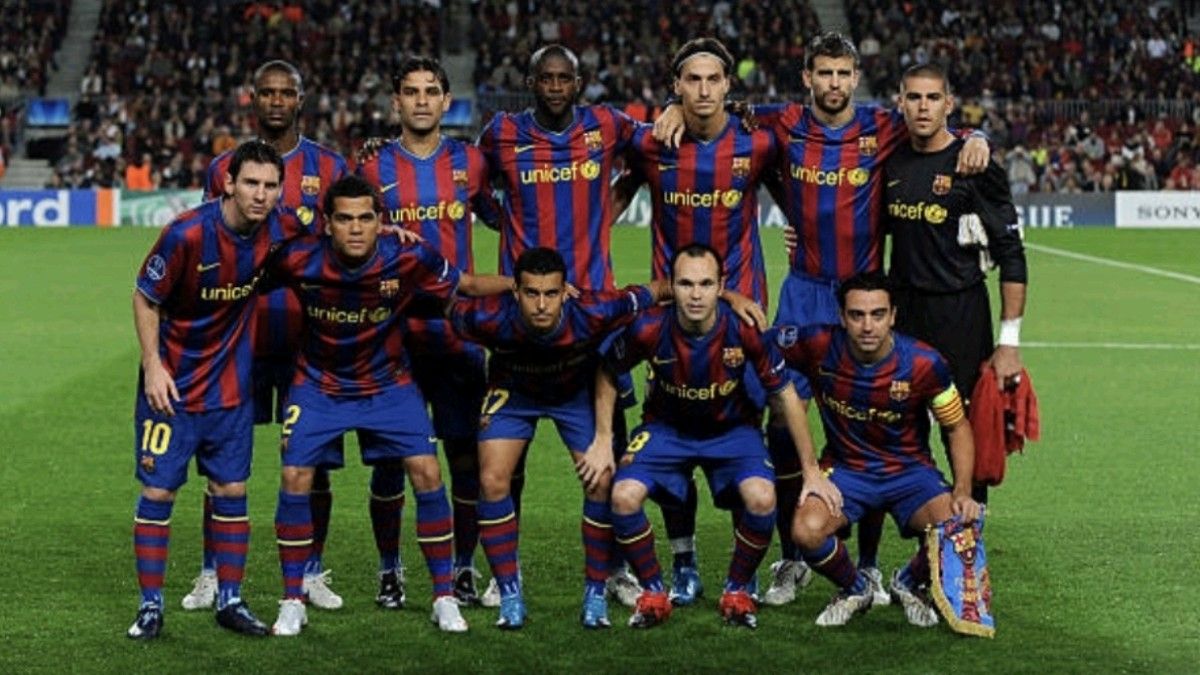
    The truth is, elite football isn’t about having 11 flawless players. It’s about balance. A team needs variety:

    • The dribbler who pulls defenders out of shape.
    • The runner who stretches the pitch and presses.
    • The playmaker with vision and finesse.
    • The striker who might lack a silky touch but finishes ruthlessly.
    • The defender who organizes and refuses to be beaten.

    Not every player has to excel at everything. Even at the top level, strengths and weaknesses coexist. Team construction is an art — the puzzle is completed with pieces that are imperfect but purposeful.

    Look at Manchester City. The side that dominated under Pep Guardiola thrived because of its mix of profiles. Raheem Sterling wasn’t the cleanest technician, but he stretched defenses. Fernandinho, never flashy, controlled transitions with his positioning and tactical fouls. Gabriel Jesus wasn’t the most clinical, but his pressing and link-up play were invaluable. Then you had elite creators like Kevin De Bruyne and David Silva, plus lethal finishers like Leroy Sané.

    That balance made them nearly unstoppable. But in the 2023–24 season, cracks showed as some profiles weren’t replaced. Without Sterling or Mahrez, City lost 1v1 threat on the wings. Without Jesus, they lacked chaos and pressing energy up front. The system became more predictable — not because individuals got worse, but because the variety of profiles shrank.

    This is the bigger picture: football isn’t about 11 identical players. It’s about profiles that complement each other. Teams need runners, creators, destroyers, leaders, and specialists.

    That’s what makes football the ultimate team sport.

  • Calafiori Header Lifts Arsenal Past Manchester United

    Calafiori Header Lifts Arsenal Past Manchester United

    Manchester United 0–1 Arsenal | Premier League

    Arsenal began their campaign with a statement win at Old Trafford, edging Manchester United 1-0 in a tense and hard-fought contest.

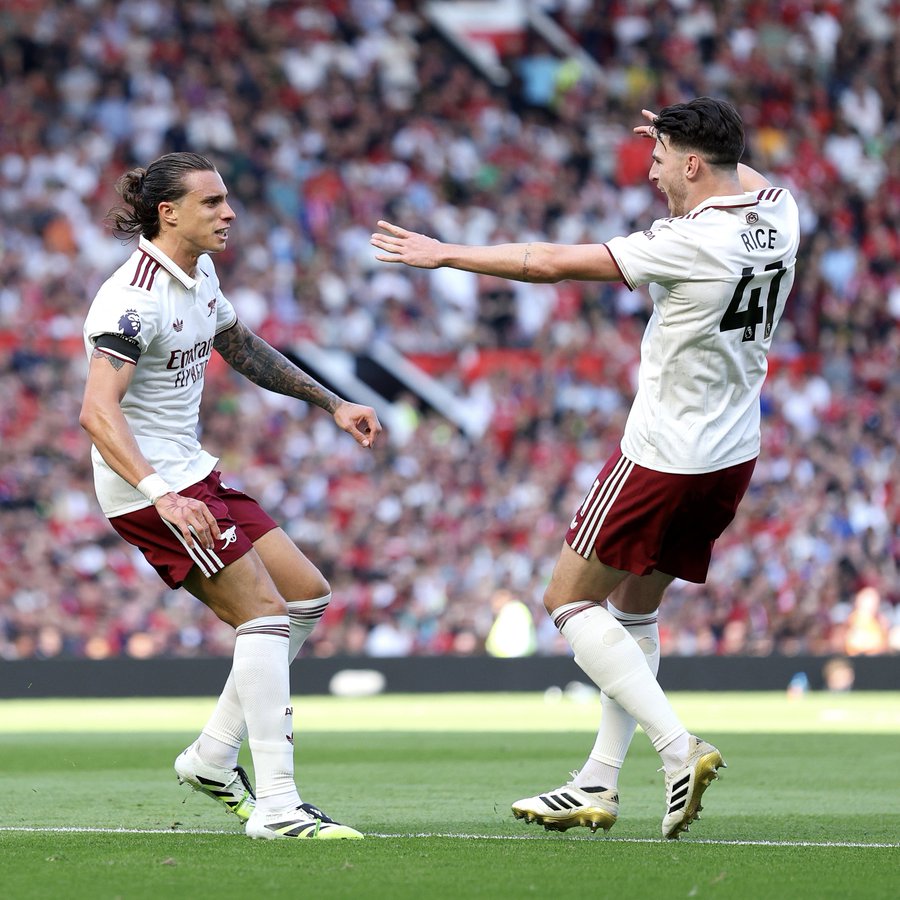
    The decisive moment arrived in the 13th minute when Riccardo Calafiori headed in a Declan Rice corner. United goalkeeper Altay Bayindir failed to deal with the delivery and Calafiori reacted first to guide the ball home.

    United produced long spells of pressure and finished with a heavy shot count but could not find a way past David Raya, who made a series of strong saves. Patrick Dorgu struck the post during a spell of second-half pressure as Arsenal held firm.

    Rúben Amorim’s new-look United featured several recent arrivals and there were bright moments from Bryan Mbeumo and Matheus Cunha, yet the final touch was missing. Benjamin Šeško came on late but could not change the outcome.

    For Mikel Arteta’s side, it was a result built on set-piece efficiency and resilience. Arsenal converted their key chance from a corner, then managed the game in both penalty areas to secure three valuable opening-day points away from home.

  • Chelsea vs Crystal Palace – VAR Steals the Show

    Chelsea vs Crystal Palace – VAR Steals the Show

    Chelsea 0–0 Crystal Palace | Premier League, Sunday 17 August 2025

    Chelsea kicked off their Premier League campaign at Stamford Bridge with a frustrating goalless draw against Crystal Palace, though the biggest talking point was a controversial VAR decision in the first half.

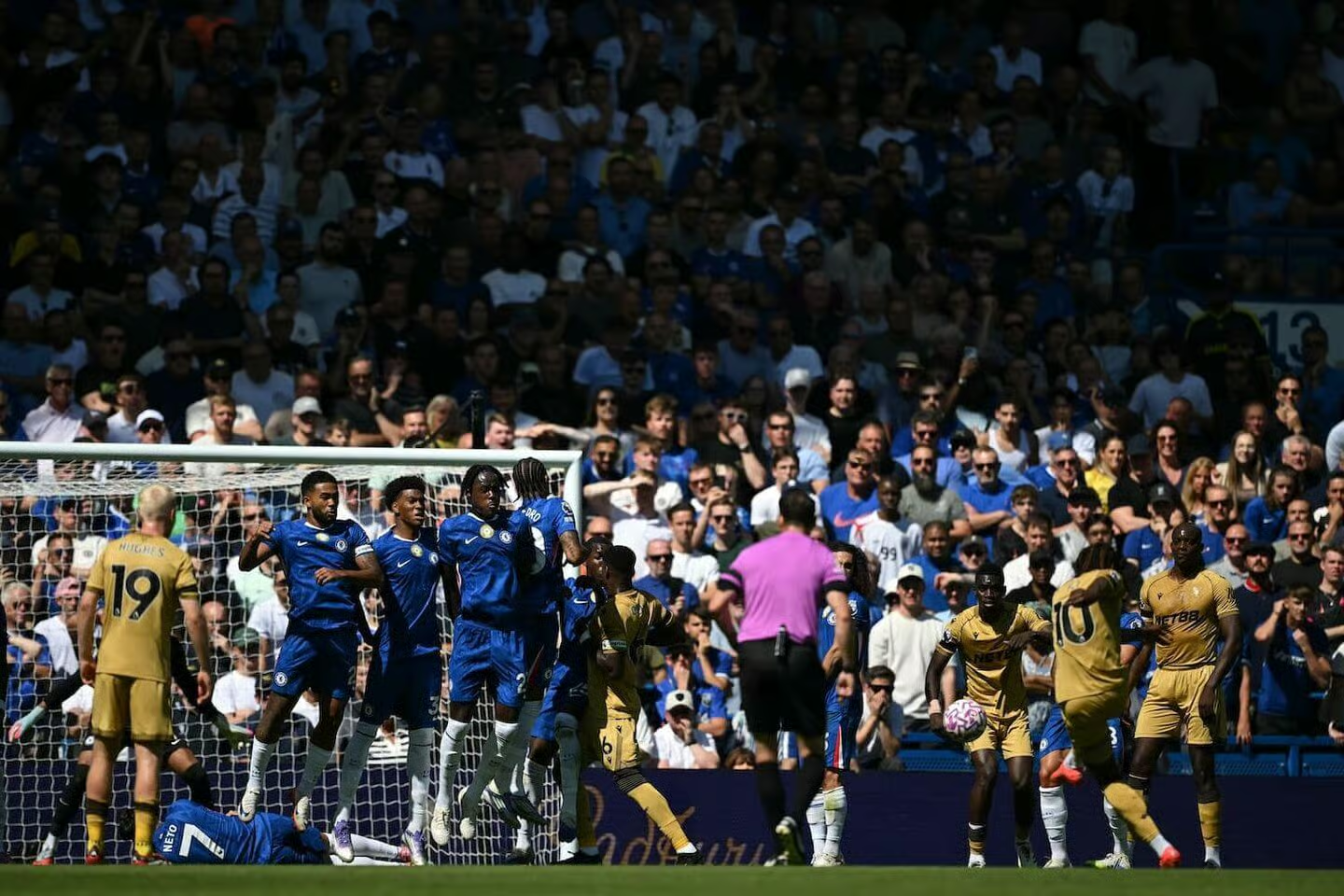
    In the 14th minute, Palace captain Eberechi Eze lit up the Bridge with a stunning free-kick that flew past Robert Sánchez into the top corner. The away end erupted in celebration, but moments later VAR intervened.

    Replays showed Palace skipper Marc Guéhi standing too close to Chelsea’s defensive wall as the free kick was taken. Under IFAB Law 13, attacking players must remain at least one metre away from a defensive wall of three or more players. Referee Darren England, after consulting the pitchside monitor, ruled the goal out.

    It was one of the first high-profile examples of the rule being enforced in the Premier League, and it left Palace players and fans furious. Manager Oliver Glasner admitted afterwards that the call was technically correct, but argued that applying the law so strictly could see “beautiful goals” wiped out every week.

    The game ended 0-0, with Chelsea unable to break down a disciplined Palace defense. For all of Eze’s magic, it was VAR, not a striker, that had the final say on opening day at the Bridge.