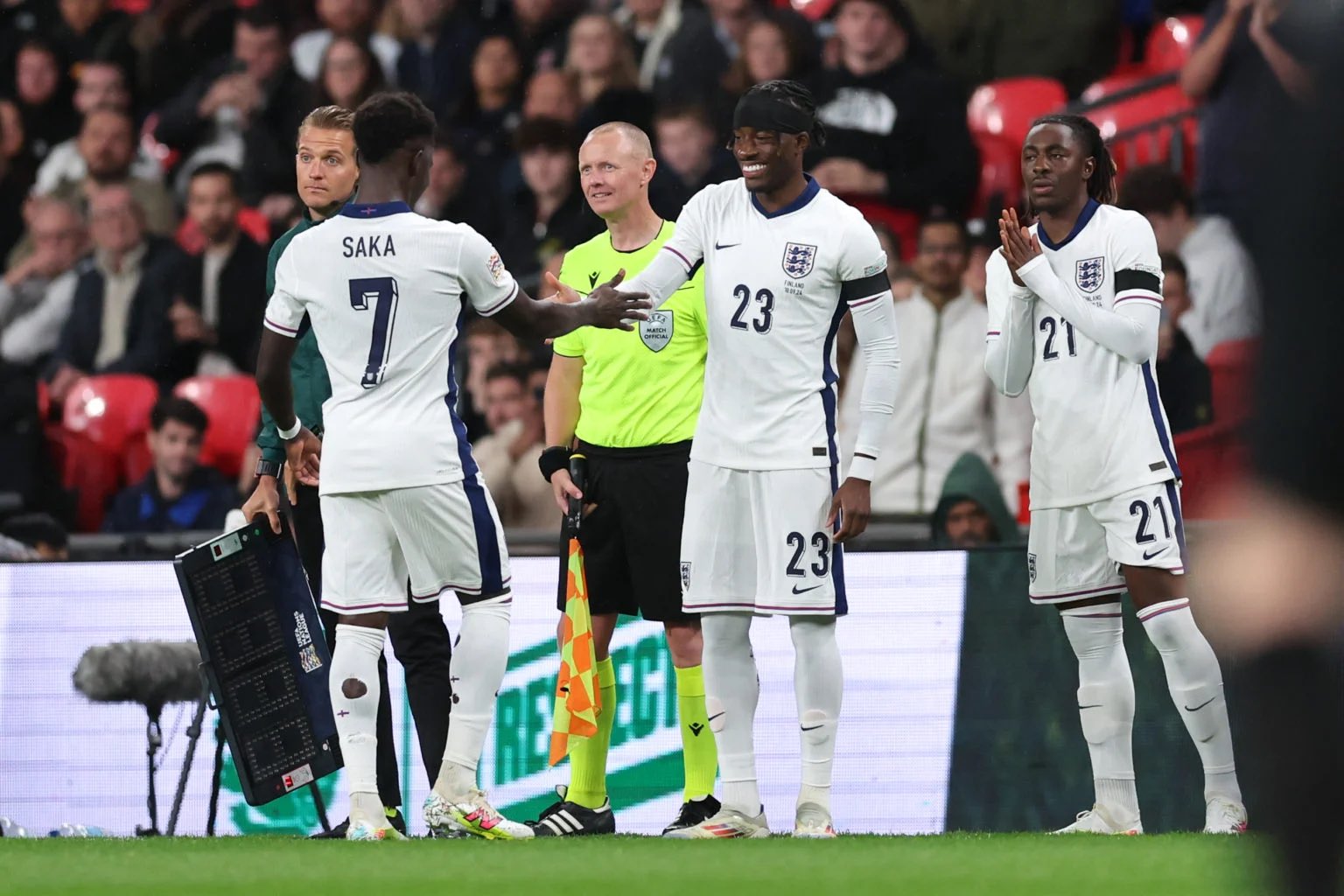
Fixture lists are getting heavier and managers know it. Players are being asked to play more games than ever, competitions are expanding, and the calendar is twisting into busy blocks that make recovery a luxury. If you want fresh players on the pitch and fewer injuries, rotation is not optional. It is essential.
The Problem is Real, and Getting Worse
This season, clubs are already warning about last-minute fixture changes and calendar pressure. The Premier League told clubs and fans to expect short-notice fixture moves because a record nine English teams are in European competition this year. That means games will pile up and squads will be stretched.
FIFA has also rejigged the international calendar, creating longer double windows in September and October. That adds another layer of travel and less breathing space for players during the season.
Scientific research backs this up: fixture congestion increases fatigue and injury risk. Clubs who manage minutes during these periods reduce both.
Managers Know It, and They Are Talking About It
You hear it in press conferences every week. Pep Guardiola regularly highlights the need to spread minutes and manage energy across the season. Jürgen Klopp has complained about the brutal schedule and how it leaves little room for recovery. Mikel Arteta has been more cautious, admitting he hates resting key players but knows the calendar makes it necessary.
That’s why Declan Rice being rested recently was so significant. He’s one of those players who usually never leaves the pitch. Yet with stronger options available, Arteta took him out without fear of collapse. At the same time, injuries to Bukayo Saka, William Saliba, and Martin Ødegaard haven’t derailed Arsenal — a clear sign that squad depth and rotation aren’t just buzzwords, they’re survival tools.
Arsenal as a Case Study in Building Depth
Arsenal’s summer transfer window offered a clear example of how clubs prepare for rotation. They didn’t just chase one big signing; they spread investment across the squad.
Arsenal 2025 Summer Signings
| Player | Position | From Club | Fee (Approx.) |
|---|---|---|---|
| Kepa Arrizabalaga | Goalkeeper | Chelsea | £5m |
| Christian Nørgaard | Midfielder | Brentford | £15m |
| Viktor Gyokeres | Striker | Sporting CP | £69m (add-ons) |
| Noni Madueke | Winger | Chelsea | £52m |
| Cristhian Mosquera | Defender | Valencia | £13m |
| Eberechi Eze | Attacking Midfielder | Crystal Palace | £67.5m (add-ons) |
| Martín Zubimendi | Holding Midfielder | Real Sociedad | £60.9m |
This is what smart recruitment for rotation looks like:
- Options for the same role, so no player has to play 90 minutes every three days.
- Tactical variety without sacrificing quality.
- Gradual integration of academy players while protecting stars.
That’s why when Arsenal rested Rice and lost Saka, Saliba, and Ødegaard temporarily, the system didn’t collapse. New signings slotted in, others stepped up, and the rotation plan continued without panic.
And Arsenal aren’t the only ones. Manchester City built their dominance by ensuring Kevin De Bruyne, Rodri, or Haaland could miss games without panic. Liverpool’s Klopp has rotated aggressively in cup runs to keep his core fit for the league. Across Europe, the clubs that last until May are the ones that rotate best.
Rotation is About Clarity, Not Chaos
Fans hate “wholesale changes” because they look random. But good rotation follows a clear system:
- Planned minutes around congested blocks.
- Recruitment for rotation, not just first XI.
- Youth integration in lower-risk games.
- Transparent communication so players know when they’re being rested and why.
When Rice sat out and Arsenal still cruised, or when injuries hit key men and others stepped up, it showed rotation isn’t weakness — it’s strength.
The Bottom Line
Fixture congestion is not going away. The calendar is stacked, and clubs will face more sudden changes. The teams who thrive will be those who recruit for depth, rotate with intent, and protect their stars.
Rice’s rest, Saka and Ødegaard’s absences, and Saliba’s knock didn’t sink Arsenal — they highlighted the value of building a squad designed for rotation. That’s not luck. That’s planning.
In today’s game, rotation isn’t a gamble. It’s survival.

Leave a Reply